
Creating a Living Lab for climate-smart agriculture
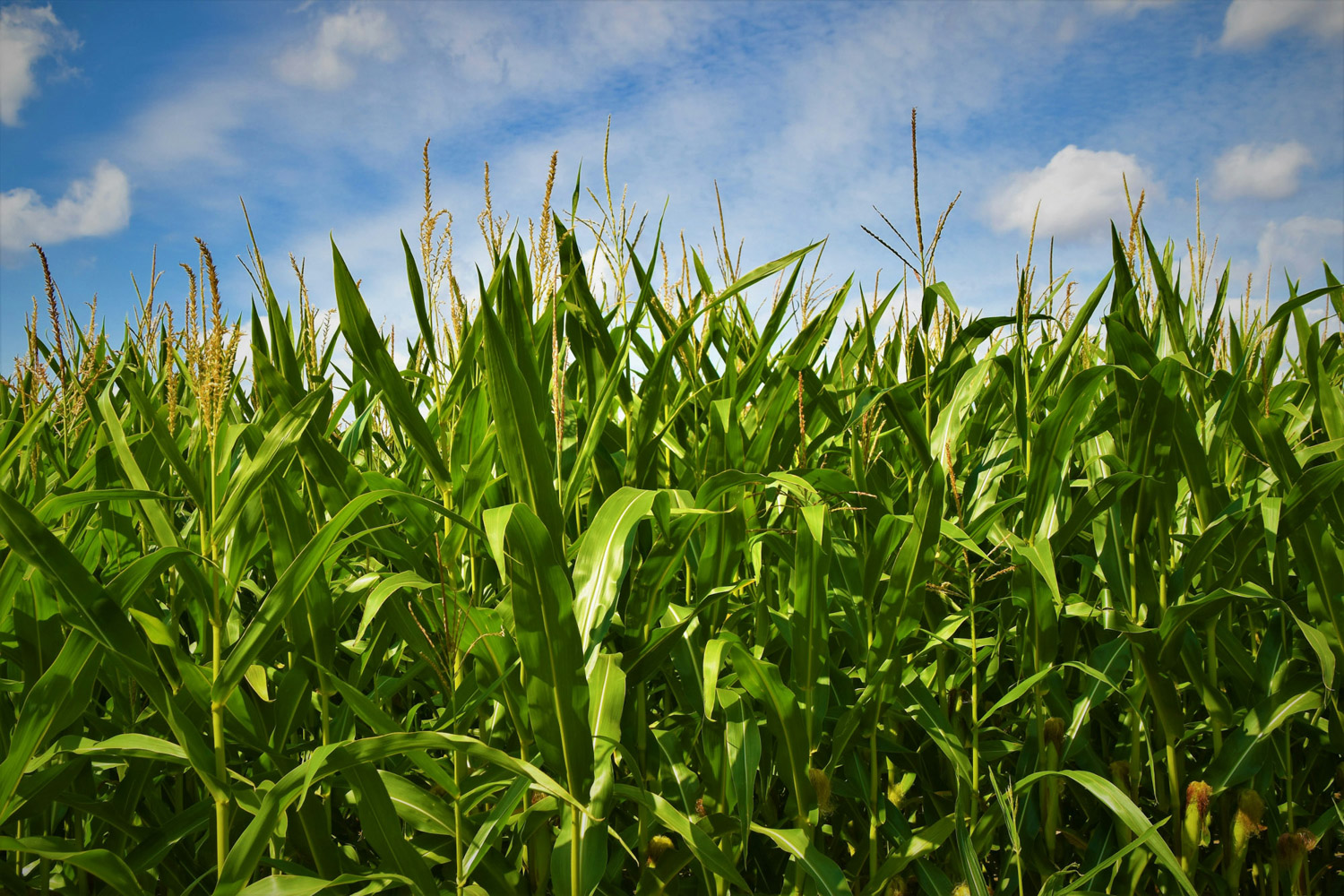
A key milestone for the Nigerian pilot has been the development of a Living Lab framework that goes beyond a single demonstration site. Instead, the initiative combines agricultural research environments, commercial production settings and farmer-managed fields, creating a robust ecosystem for co-design, testing and future validation activities.
This approach will help ensure that the solutions developed within BRIDGE-AI are adapted to the realities of maize production and can respond to the needs of different types of users and farming contexts.
Alongside the Living Lab establishment, the project team has been working to strengthen collaboration with agricultural research organisations, commercial partners and other relevant stakeholders. These partnerships are essential for supporting field implementation, facilitating data access and ensuring meaningful engagement with farming communities.
Preparing the Data Foundations
Data preparation is another important component of the current activities. The project team has reviewed the agronomic, soil, weather, crop, yield and Earth Observation data required for the Nigeria use case and is currently progressing the identification, compilation and documentation of relevant historical and field datasets. Additional activities underway include:
- Development of the Nigeria Climate-Smart Maize Living Lab network.
- Preparation and documentation of pilot sites.
- Design of data ingestion and harmonisation processes.
- Planning of stakeholder and farmer co-design activities.
- Establishment of institutional arrangements to support Living Lab implementation.
- Preparation for future field-level data acquisition and validation activities.
Together, these efforts are helping create the technical and organisational foundations required for the next stages of the pilot.

Farmers at the centre of the process
Farmer participation is a central element of the BRIDGE-AI approach. The Nigeria pilot targets rollout of the GenAI-enabled decision-support platform to 250 smallholder maize farmers across the Living Lab sites. The implementation model also envisages 50 producer clusters and approximately 100 demonstration plots to support coordinated learning, field validation and peer-to-peer exchange. Farmer involvement will extend well beyond testing the project’s solutions.
Farmers will contribute practical and indigenous agricultural knowledge, help identify local decision-making challenges, participate in co-design activities and provide feedback on tools, interfaces and recommendations. This collaborative process will play an important role in ensuring that BRIDGE-AI solutions are relevant to real production conditions and understandable to their intended users.
By integrating local knowledge and experience into the development process, the project aims to create tools that respond to diverse maize production environments, with the pilot focused on smallholder farmers.
Looking ahead
The next phase of the pilot will focus on completing site documentation, finalising the compilation of historical datasets, expanding stakeholder engagement and strengthening preparations for field-level data acquisition, testing and validation.
Work will also continue on integrating Nigeria-specific agronomic knowledge into the BRIDGE-AI platform, harmonising datasets and preparing the Living Lab environments for future testing and validation.
At this stage, the priority is not yet to report productivity gains or field impacts. Instead, the focus is on establishing the people, partnerships, data resources and operational structures necessary to support meaningful validation activities in the coming months.
As farmer engagement expands and pilot activities advance, the Nigeria Living Lab is expected to generate valuable experiences, insights and real-world examples that will help shape the refinement, validation and future deployment of BRIDGE-AI technologies and support more sustainable, resilient and data-driven agriculture.