New generation of digital tools based on satellite data, field sensors and artificial intelligence models in accessible mobile solutions, with the aim of promoting digital training and generating recommendations that help the agricultural sector of Kenya, Tunisia and Nigeria in decision making such as crop planning, water management and land use.
The initiative aims to respond to environmental and social challenges affecting African agriculture, including water scarcity, soil degradation and climate variability, in a context in which more than 95 percent of cultivated land relies on rainfall.
The project will also address the limitations of access to irrigation infrastructures, agricultural services and adapted digital tools, as well as the digital skills gap that hinders the adoption of advanced technologies in rural areas.
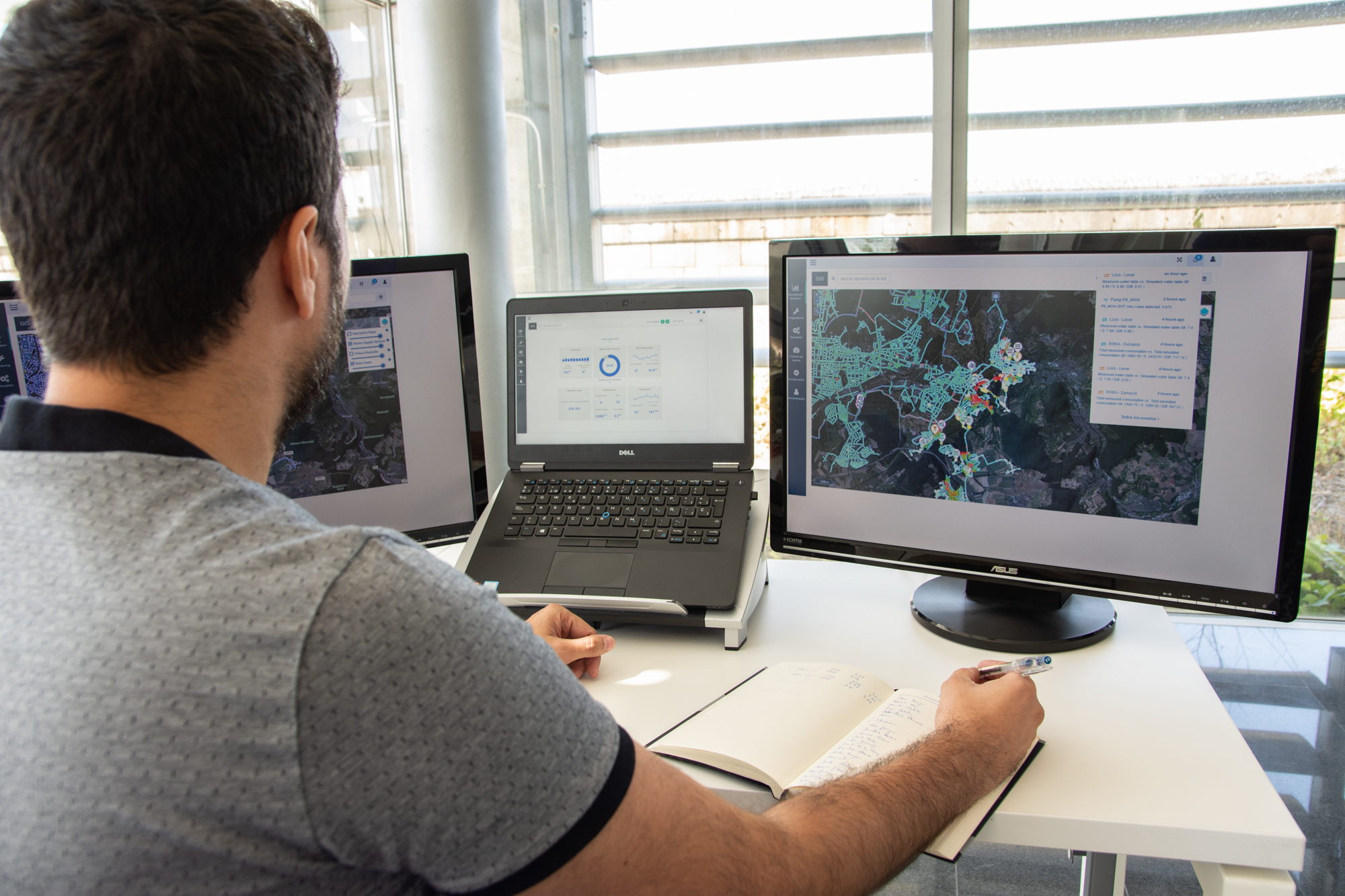
According to the Bridge-AI project coordinator, Didac Colominas, researcher at the Applied Artificial Intelligence Unit of Eurecat, “generative artificial intelligence allows complex data from the territory to be converted into useful information in natural language so that people engaged in agriculture can make decisions more adjusted to the real conditions of each crop and each environment”.
“The digital transformation of agriculture will only be effective if it is inclusive”, says the project coordinator at Eurecat, Rosa Araujo. The initiative will therefore also focus on the inclusion of women, who represent more than 60% of the agricultural workforce in many parts of Africa, but have less access to resources, technology and training.
Bridge-AI will promote its role both as users of the tools and in the co-creation of the solutions. Digital training and inclusion “are essential for technological innovation to effectively reach rural communities and contribute to generating new economic and social opportunities”, adds Rosa Araujo.
Advanced technological knowledge and local experience
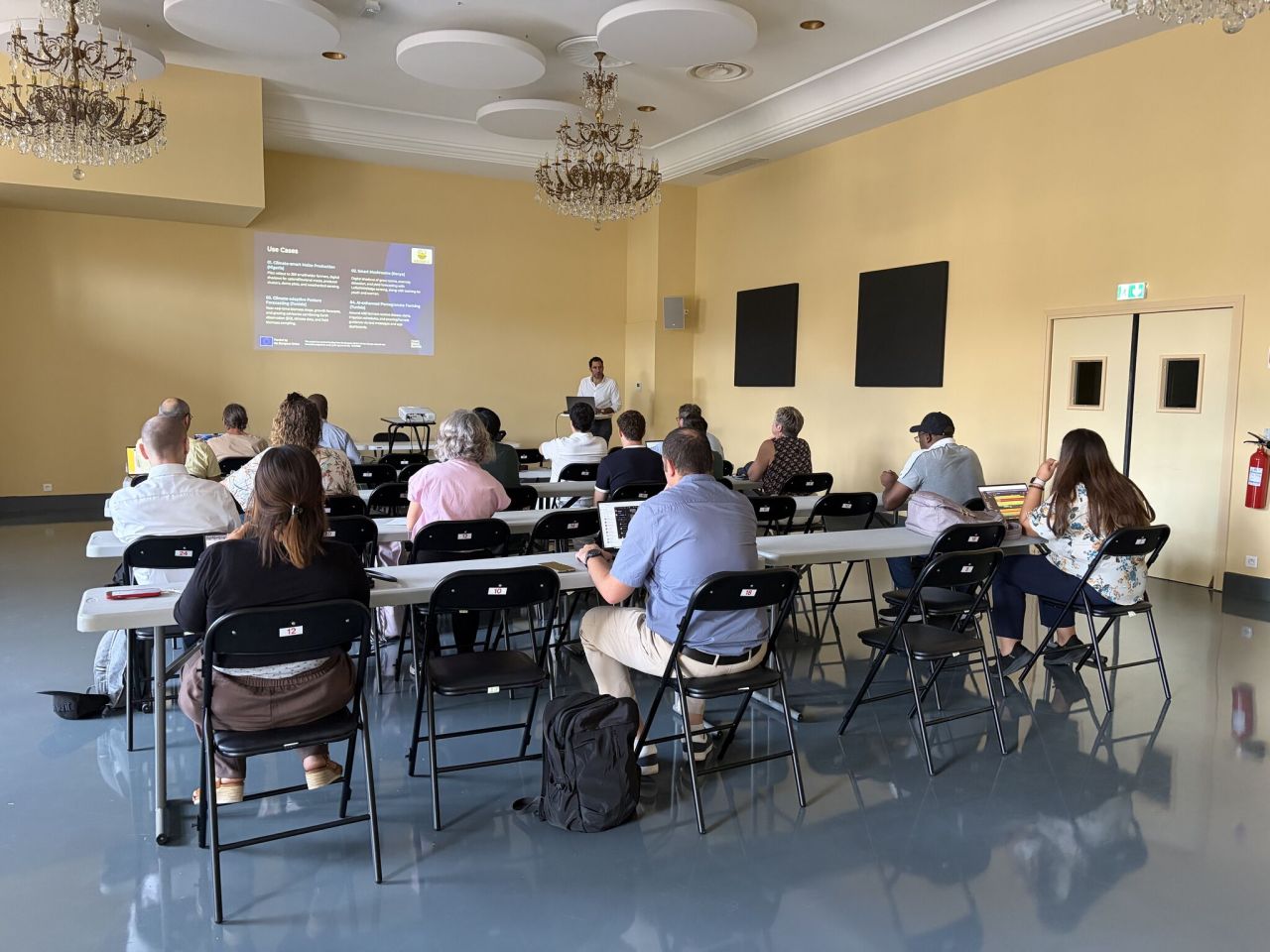
The project will promote the co-creation of tools through “living labs”, which will involve farmers, cooperatives, companies and administrations to ensure that technologies are useful, applicable and adapted to each reality.
“It is not just about developing technology, but about doing it together with the people who will have to use it, incorporating their knowledge and their needs from the first phases,” said Didac Colominas.
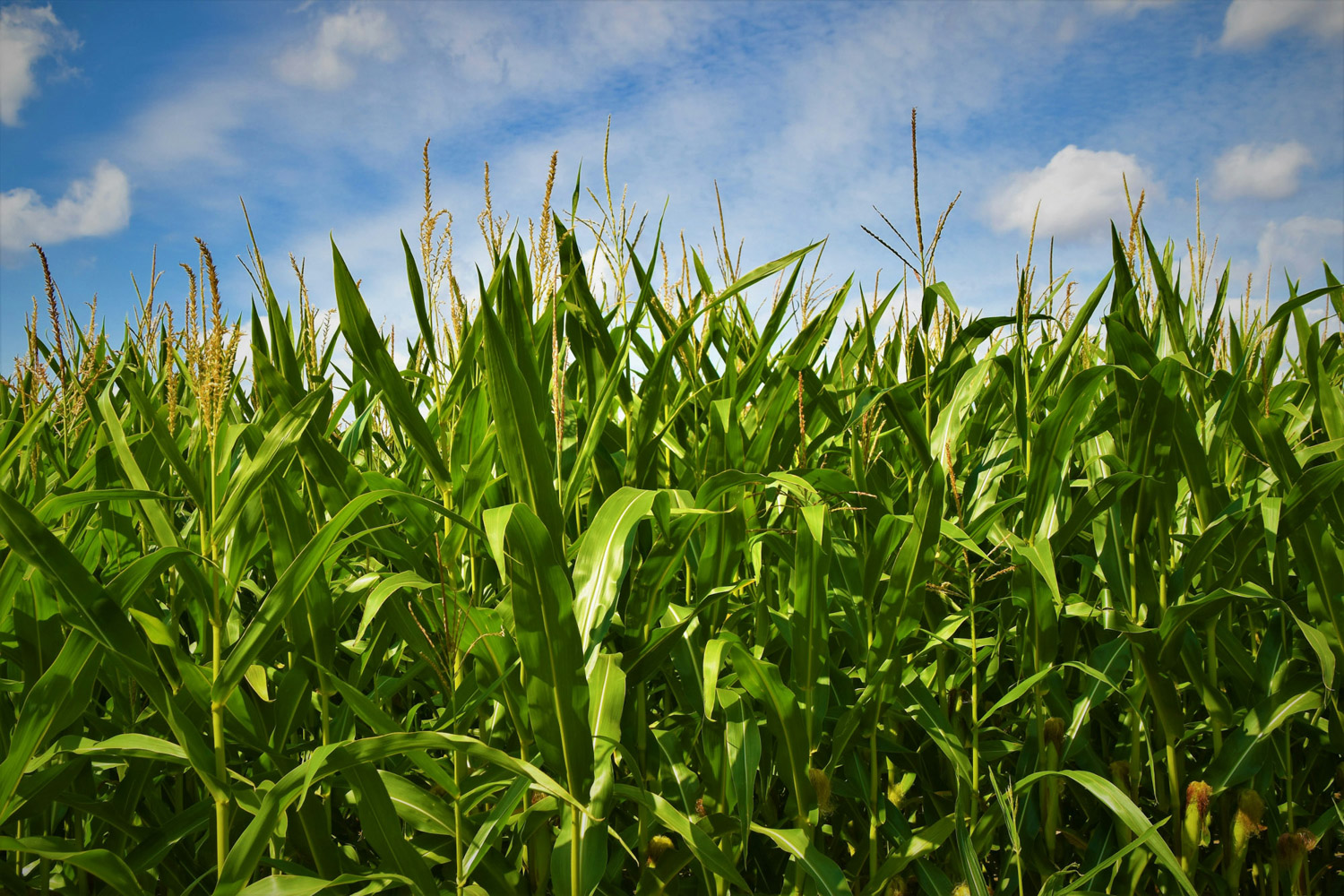
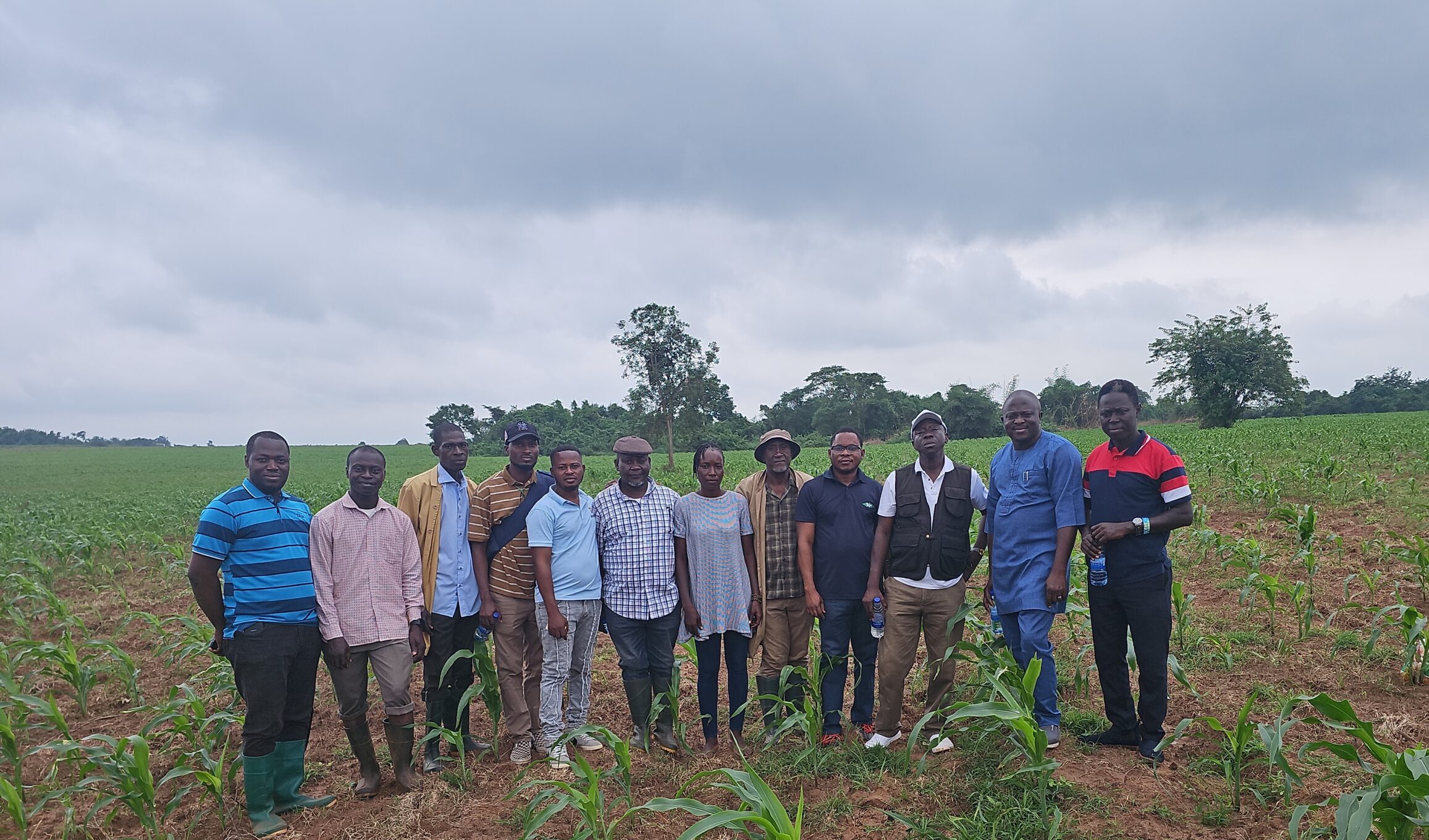
In Nigeria, the project will focus on climate-smart maize farming, using environmental monitoring, predictive tools and AI-based recommendations to support farmers.
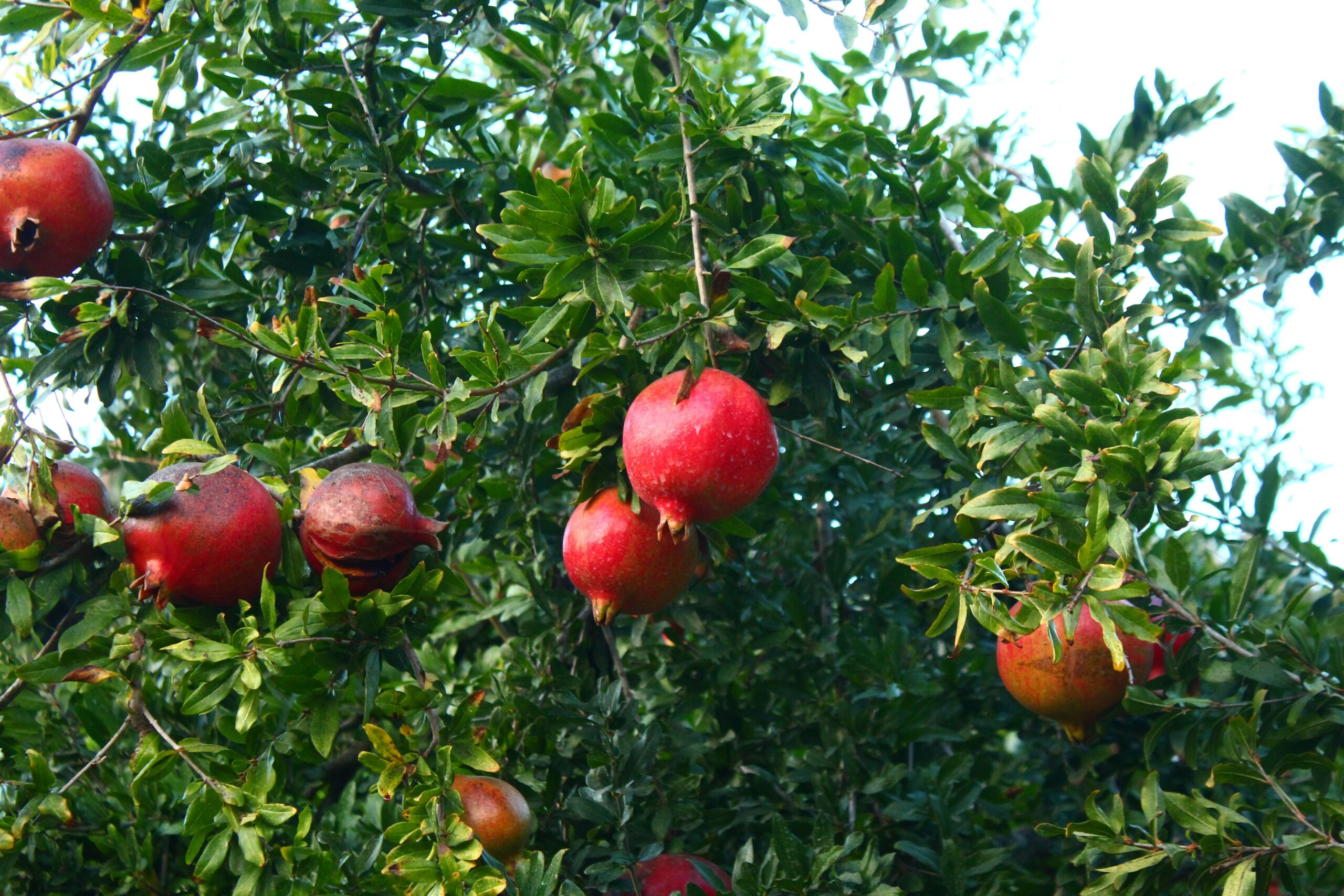
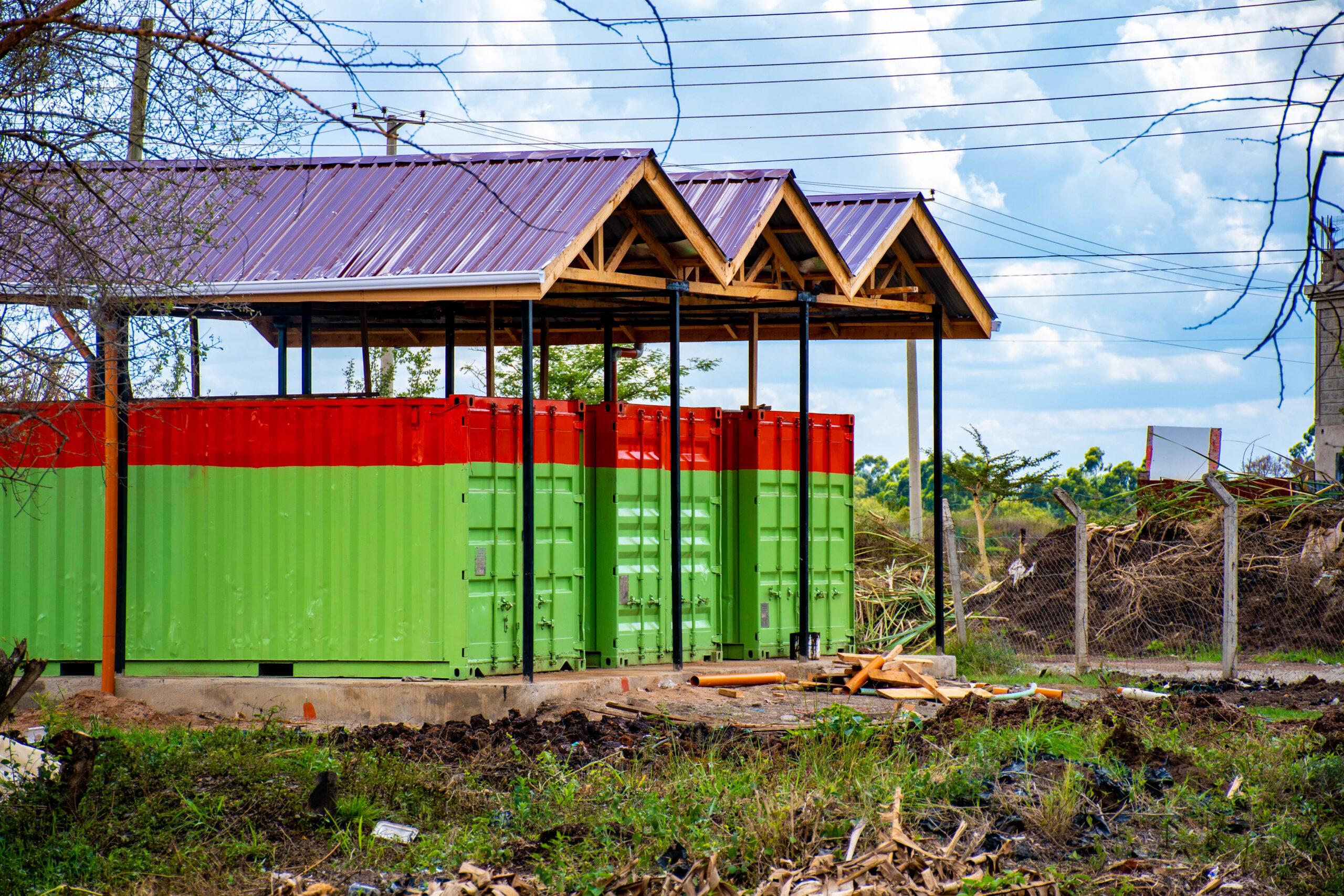
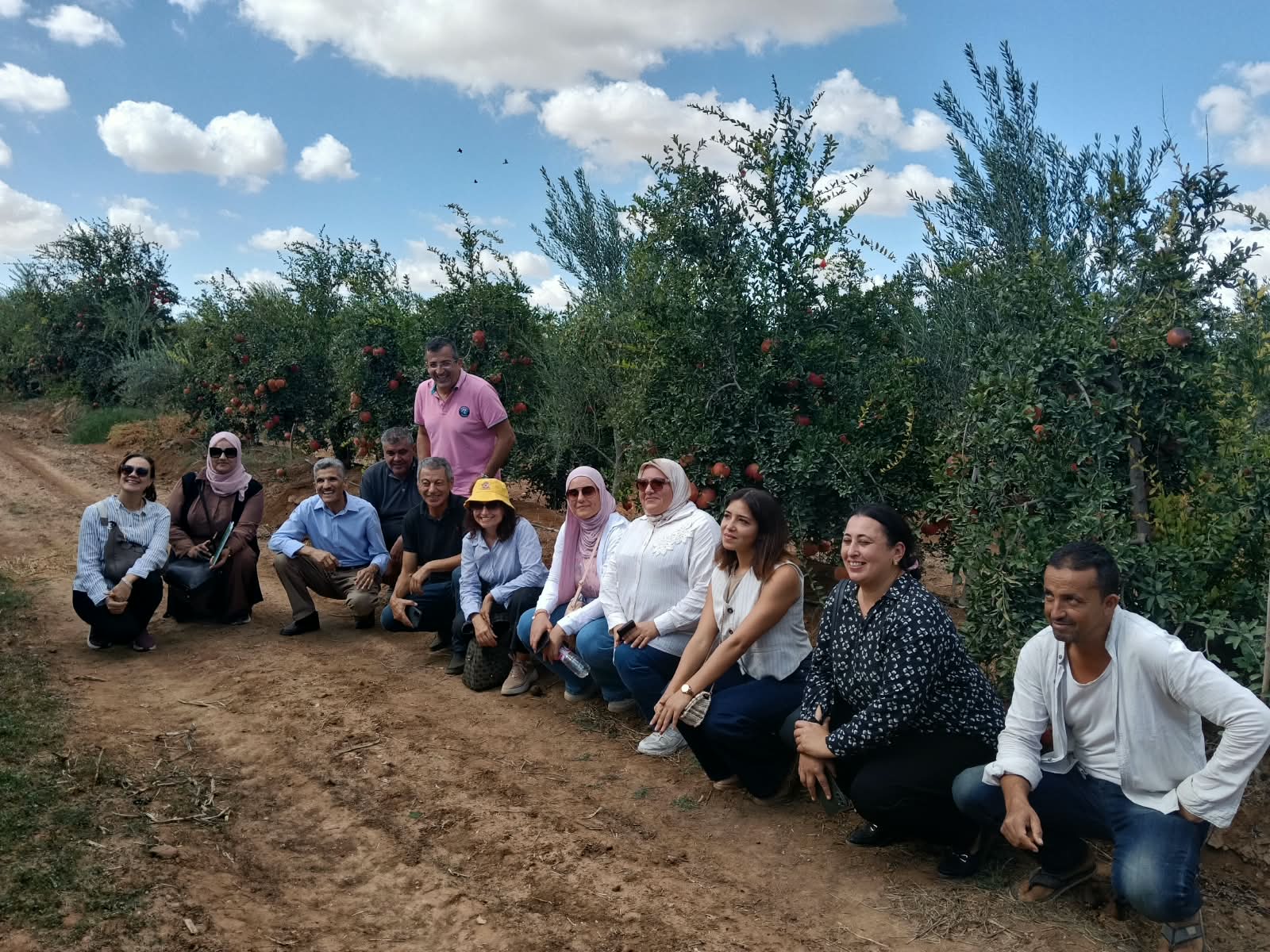
In Kenya, in the cultivation of mushrooms in microclimates, with environmental monitoring, scenario simulation and performance forecast; and in Tunisia, in the prediction of pastures with biomass maps generated with satellite data, and in the cultivation of pomegranates, with recommendations on irrigation, pruning and harvesting adapted to the local context.
The initiative, funded within the framework of the Horizon Europe programme, has a budget of 1.93 million euros and a consortium made up of European and African entities from Spain, Kenya, Tunisia, Nigeria and Austria, including the Eurecat technology centre, the Polytechnic University of Madrid, Seamless Middleware Technologies, Jomo Kenyatta University, University of Sousse, MOOME, Agroinfotech Labs Limited àti Austria Card.